INCENSE

Buy incense in Austria: here you will find natural resins such as frankincense and myrrh, incense blends from the Viennese manufacturer Indigo, incense sticks, incense cones, incense sets and the right accessories, from the incense burner to the charcoal. Shipped from Eibiswald in Styria. Read the guide ↓

A grain of resin on glowing charcoal, a fine wisp of smoke and a few moments later the whole room is filled with scent: that is how easy burning incense is.

In Austria, burning incense has been part of the year for generations, especially during the Raunächte, the nights between Christmas and Epiphany. Today many people also burn incense simply because they love the warm scent of frankincense, myrrh or a herbal blend.

On this page you will learn how resin, blend, stick and cone differ, which incense blend is number 1 among our customers and how to burn incense on charcoal step by step.

Hands placing frankincense grains with a small spoon onto glowing incense charcoal in a red incense bowl with sand, next to jars of resins and herbs and a feather on a wooden table
Symbolic image: AI-generated

Resin, blend, stick or cone: the difference

Incense consists of dried plant parts such as resins, herbs, flowers, woods and roots that release their scent as they slowly smoulder. Depending on the form, you need charcoal, an incense warmer or just a holder.

Natural resins
Pure resins such as frankincense, myrrh, styrax or mastic. They are burned on incense charcoal or a warmer with a sieve and give off an intense, long-lasting scent.
Incense blends
Composed blends of resins, herbs, flowers and woods, each with its own scent. They also go on charcoal or on a warmer.
Incense sticks
Light, let it burn briefly, blow out and place in the holder. Handy for in between and usually more subtle in scent than resin on charcoal.
Incense cones
Small cones that are lit at the tip and then smoulder. Ours come from the Ore Mountains (Erzgebirge) in Germany, with scents such as frankincense, fir and honey.

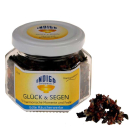
Number 1: Indigo incense blend Glück & Segen

No incense blend is ordered more often from us than Glück & Segen (Luck & Blessing) by Indigo. It combines lavender and rose petals with Aden frankincense, rose frankincense and styrax. The manufacturer describes the scent as soft, balsamic and warm.

Its name comes from an old oriental welcome ritual: guests place a pinch on the charcoal and express good wishes for their hosts. That is why Glück & Segen is also a popular gift to take to invitations and celebrations.
No. 1 in incense
Indigo incense blend Glück & Segen 25 g
Indigo
Incense blend Glück & Segen
for charcoal or an incense warmer
Content
25 g
Scent
balsamic
Base
frankincense
Made
in Vienna
Contains: lavender, rose, Aden frankincense, rose frankincense, styrax
View product

Customer favourites

Right after that, our customers most often choose the Lebensfreude (Joy of Life) blend, royal frankincense, the Indigo starter set and the palo santo incense sticks with rosemary.
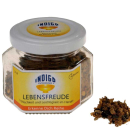
Indigo incense blend Lebensfreude 25 g
Indigo
Incense blend Lebensfreude
woody, warm and friendly scent
Content
25 g
For
charcoal
From
Vienna
Contains: lavender, rose, sandalwood, copal, styrax
View product
Natural resin royal frankincense Arabian red/gold 30 g
Indigo
Royal frankincense, Arabian
spicy, light, balsamic
Content
30 g
For
charcoal
Type
resin
Special: roasted, glazed with plant colours
View product
Indigo starter incense set
Indigo
Starter incense set
three blends to get to know
Jars
3 x 10 g
Charcoal
1 roll
Guide
yes
Good for: ideal for starting on charcoal
View product
Earth Inspired incense sticks palo santo and rosemary 30 g
Earth Inspired
Palo Santo & Rosemary
handmade incense sticks
Content
30 g
Charcoal
no
Scent
herbal
Also as: also with chamomile or rose
View product

Frankincense and natural resins

Frankincense is the best-known incense resin. It is the dried resin of the frankincense tree (Boswellia), which grows in Arabia, Africa and India. Depending on its origin, it smells different: from light and lemony to warm and balsamic. Besides frankincense, you will find other resins for the charcoal with us.

Frankincense from Oman, Aden, India and Africa
Single-origin frankincense resins, including Oman Al Hojari with a mild, lemony note.
Royal frankincense, rose frankincense, Caspar and Pontifical
Further frankincense varieties. Royal frankincense is a traditional Arabian blend, roasted and glazed red, gold and black with plant colours.
Myrrh and styrax
Classics of the oriental incense tradition with a warm, balsamic scent.
Dragon's blood and mastic
The red resin dragon's blood and the light mastic resin for your own blends.

Burning incense step by step

Resins and incense blends are best burned on incense charcoal. The graphic shows the six steps, as also recommended by the Viennese manufacturer Indigo. For beginners, an incense set with blends, charcoal and instructions is the easiest way to start.

Graphic: burning incense on charcoal in 6 steps: prepare the bowl with sand, light the charcoal with tongs, let it glow for 15 minutes, add 1 to 2 pinches, remove residues, air the room
!
Never leave embers unattended
Incense charcoal gets very hot. Place the bowl on a fireproof surface and keep it away from curtains or paper.
!
Children and pets
Keep glowing charcoal and the hot bowl out of reach. After burning, cover any remaining embers with sand.
✓
Sand protects the bowl
Incense sand buffers the heat and lets air reach the charcoal. According to Indigo, shell sand can often be used for 10 to 20 sessions.
✓
Keep charcoal dry
Incense charcoal absorbs moisture and then lights poorly. Store it airtight in foil or a tin.

Indigo describes burning incense in detail in two downloadable guides in German: Räucherwerk Anwendung (PDF, German) and Haus und Wohnung räuchern nach der Indigo-Methode (PDF, German).

Who is Indigo?

A large part of our incense comes from Indigo Enterprises, an incense manufacturer in Vienna. Since 1991, the Indigo team has been blending incense there by hand, following traditional and its own recipes.

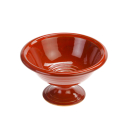
From Indigo we stock the incense blends, many natural resins, the incense sets and the stoneware incense burners. According to the manufacturer, the bowls and goblets are fired at around 1,200 °C and, with a width of about 12 cm, are designed so that the sand does not slide out when you walk through your home.

Fact sheet
  • Company: Indigo Enterprises, incense manufacturer
  • Based in: Vienna
  • Since: 1991
  • Production: incense made by hand
  • Burners: glazed stoneware
  • At Viterna: blends, resins, sets, burners and accessories

Incense in the Raunächte

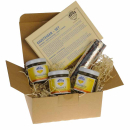
In Austria and Bavaria, burning incense during the Raunächte between Christmas and Epiphany is an old custom. Traditionally, people walked through house and stable with an incense pan. For this time there is the Indigo Raunächte incense set with six blends of 25 g each, a roll of incense charcoal and incense sand. It goes well with an incense pan with handle or an incense goblet and a feather to spread the scent.

Frequently asked questions

What do I need to burn incense on charcoal?+
A fireproof incense bowl with a diameter of at least 12 cm, incense sand, incense charcoal, tongs for lighting, an incense spoon and your incense. A feather helps to spread the scent.
How long does incense charcoal glow?+
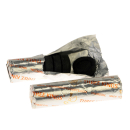
According to Indigo, a charcoal disc with a diameter of 33 mm glows for about 1 hour, a 40 mm disc for about 1.5 hours. Let it glow for about 15 minutes before adding incense, until it is covered with white ash.
What is the difference between an incense blend and a natural resin?+
A natural resin is a single resin such as frankincense or myrrh. An incense blend combines resins with herbs, flowers and woods into its own scent.
Do I need charcoal for incense sticks?+
No. Incense sticks are lit, briefly blown out and then smoulder in the holder. You only need charcoal for resins and incense blends.
Can I order incense in Austria?+
Yes. Viterna ships from Eibiswald in Styria. Shipping is free from €70 within Austria and from €120 to Germany.
When are the Raunächte?+
The Raunächte are the nights between Christmas and Epiphany. In Austria and Bavaria, incense is traditionally burned during these nights.
In short
To burn incense on charcoal you need a fireproof bowl, sand, charcoal, tongs and your incense. Number 1 with us is the Indigo incense blend Glück & Segen.
KEY TAKEAWAYS
  • Resins and blends on charcoal, sticks and cones without charcoal.
  • Let the charcoal glow for about 15 minutes, then add 1 to 2 pinches.
  • Never leave embers unattended and air the room in between.
  • Indigo has been blending its incense by hand in Vienna since 1991.
Note: Incense is intended for burning, not for consumption. The information on origin, composition and use comes from the manufacturers. We describe scent and use and make no health-related statements.