


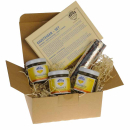



A grain of resin on glowing charcoal, a fine wisp of smoke and a few moments later the whole room is filled with scent: that is how easy burning incense is.
In Austria, burning incense has been part of the year for generations, especially during the Raunächte, the nights between Christmas and Epiphany. Today many people also burn incense simply because they love the warm scent of frankincense, myrrh or a herbal blend.
On this page you will learn how resin, blend, stick and cone differ, which incense blend is number 1 among our customers and how to burn incense on charcoal step by step.

Resin, blend, stick or cone: the difference
Incense consists of dried plant parts such as resins, herbs, flowers, woods and roots that release their scent as they slowly smoulder. Depending on the form, you need charcoal, an incense warmer or just a holder.
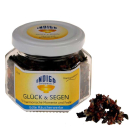
Number 1: Indigo incense blend Glück & Segen
No incense blend is ordered more often from us than Glück & Segen (Luck & Blessing) by Indigo. It combines lavender and rose petals with Aden frankincense, rose frankincense and styrax. The manufacturer describes the scent as soft, balsamic and warm.
Its name comes from an old oriental welcome ritual: guests place a pinch on the charcoal and express good wishes for their hosts. That is why Glück & Segen is also a popular gift to take to invitations and celebrations.
Customer favourites
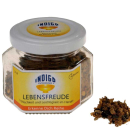
Right after that, our customers most often choose the Lebensfreude (Joy of Life) blend, royal frankincense, the Indigo starter set and the palo santo incense sticks with rosemary.
Frankincense and natural resins
Frankincense is the best-known incense resin. It is the dried resin of the frankincense tree (Boswellia), which grows in Arabia, Africa and India. Depending on its origin, it smells different: from light and lemony to warm and balsamic. Besides frankincense, you will find other resins for the charcoal with us.
Burning incense step by step
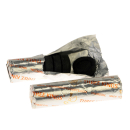
Resins and incense blends are best burned on incense charcoal. The graphic shows the six steps, as also recommended by the Viennese manufacturer Indigo. For beginners, an incense set with blends, charcoal and instructions is the easiest way to start.

Indigo describes burning incense in detail in two downloadable guides in German: Räucherwerk Anwendung (PDF, German) and Haus und Wohnung räuchern nach der Indigo-Methode (PDF, German).
Who is Indigo?
A large part of our incense comes from Indigo Enterprises, an incense manufacturer in Vienna. Since 1991, the Indigo team has been blending incense there by hand, following traditional and its own recipes.
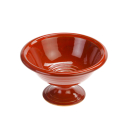
From Indigo we stock the incense blends, many natural resins, the incense sets and the stoneware incense burners. According to the manufacturer, the bowls and goblets are fired at around 1,200 °C and, with a width of about 12 cm, are designed so that the sand does not slide out when you walk through your home.
- Company: Indigo Enterprises, incense manufacturer
- Based in: Vienna
- Since: 1991
- Production: incense made by hand
- Burners: glazed stoneware
- At Viterna: blends, resins, sets, burners and accessories
Incense in the Raunächte
In Austria and Bavaria, burning incense during the Raunächte between Christmas and Epiphany is an old custom. Traditionally, people walked through house and stable with an incense pan. For this time there is the Indigo Raunächte incense set with six blends of 25 g each, a roll of incense charcoal and incense sand. It goes well with an incense pan with handle or an incense goblet and a feather to spread the scent.
Frequently asked questions
- Resins and blends on charcoal, sticks and cones without charcoal.
- Let the charcoal glow for about 15 minutes, then add 1 to 2 pinches.
- Never leave embers unattended and air the room in between.
- Indigo has been blending its incense by hand in Vienna since 1991.